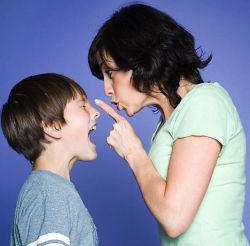
Tackle the Most Common Toddler Complaints
Written by Stephanie Dolgoff from www.Parenting.com – If your child won’t stop crying, take them to the emergency room. When your toddler is hurt and screaming and emotions are bubbling over, it can be hard to tell if a situation is a true emergency, something that can be treated in your doctor’s office or an issue you can handle at home. “It’s always better to call the pediatrician before going to the ER for anything but life-threatening emergencies,” says Lara Zibners M.D., a pediatric ER doctor and author of “If Your Kid Eats This Book,...
Read MoreAsthma
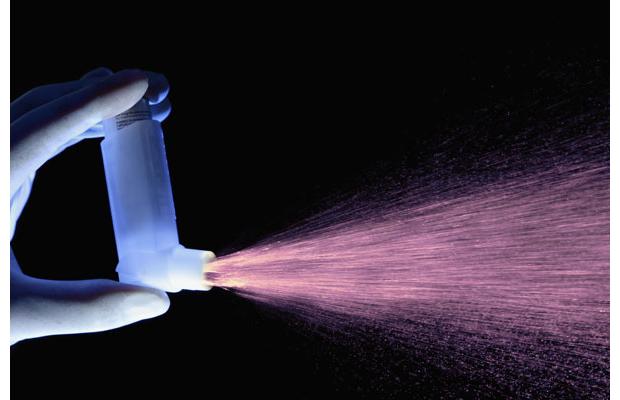
Asthma is a chronic disease in which sufferers have repeated attacks of difficulty in breathing and coughing. There seems to be an increase in the amount of asthma all over the world, especially in children. Asthmatics tend to be sensitive to various types of irritants in the atmosphere that can trigger this contraction response from the bronchial muscles. The bronchi also have an inner lining that becomes inflamed in asthma, which makes the lining swell and produce an excess amount of the mucus (phlegm) it normally makes. All of these processes contribute to the airway narrowing and the...
Read MoreNosebleeds
What is a Nosebleed? A nosebleed – more formally called epistaxis – can occur without any obvious cause. The blood usually comes out through just one nostril, although it may affect both. Causes and Risk Factors Many nosebleeds are idiopathic – that is there is no obvious cause, or the cause is unknown. But in children frequent colds and the drying effect of central heating can cause irritation of the delicate mucous membrane that lines the nose. This becomes inflamed, crusted or cracked, and is much more likely to bleed. Bumps to the nose, especially once it’s...
Read MoreADHD
Poor concentration, hyperactivity and learning difficulties are some signs that a child or adult might have attention deficit hyperactivity disorder (ADHD). What is ADHD? Attention deficit hyperactivity disorder (ADHD) is the most common childhood-onset behavioural disorder. Those affected have a greatly reduced ability to maintain attention without being distracted, to control what they’re doing or saying (because of impulsivity) and to control the amount of physical activity appropriate to the situation (that is, they’re restless and fidgety). ADHD is also called attention...
Read More